
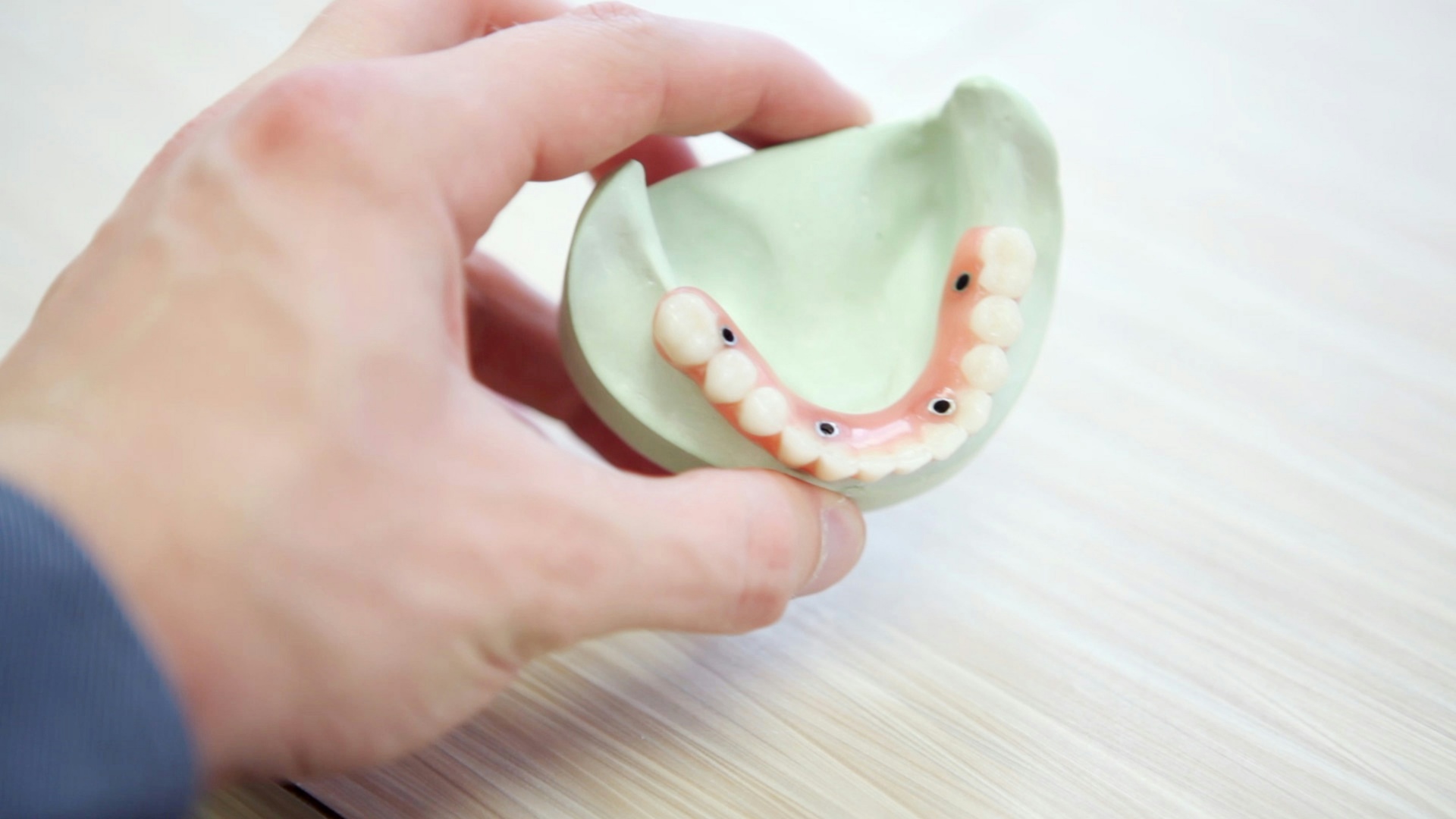
If you are missing a single tooth, the two most common replacement options are dental implants and dental bridges. An implant is a standalone replacement that does not involve the adjacent teeth. A bridge uses the two neighboring teeth as anchors, with a false tooth suspended between them. Both restore your ability to chew and fill the gap, but they differ in cost, longevity, what they require from the surrounding teeth, and how they affect your jawbone over time.
How Does a Dental Implant Differ From a Bridge
Dental implant: A titanium post is placed directly into the jawbone where the missing tooth used to be. Over 3 to 6 months, the bone fuses to the post through a process called osseointegration. Once healed, an abutment and custom crown are attached on top. The result is a freestanding tooth that looks, feels, and functions like the original. No adjacent teeth are touched.
Dental bridge: The two teeth on either side of the gap are filed down and fitted with crowns. A false tooth (called a pontic) is fused between those crowns, forming a single connected unit that spans the space. The bridge is cemented in place and cannot be removed.
Dental Implant Vs Bridge: A Side-by-Side Comparison
| Dental Implant | Dental Bridge | |
| Typical cost | $3,000 to $5,000+ | $2,000 to $4,000 |
| Average lifespan | 20 to 25+ years | 7 to 15 years |
| Adjacent teeth affected | None | Two teeth filed down |
| Bone preservation | Yes, stimulates jawbone | No, bone loss continues |
| Treatment time | 3 to 6 months total | 2 to 3 weeks |
| Surgery required | Yes | No |
| Insurance coverage | Often 50% (major) | Often 50% (major) |
| Cleaning | Brush and floss normally | Floss threader or water flosser needed under pontic |
Cost: The Full Picture
A bridge is less expensive upfront, typically $2,000 to $4,000 for a three-unit bridge in the Bellevue area. An implant runs $3,000 to $5,000 for the post, abutment, and crown alone. If you also need a CT scan, extraction, or bone grafting, the total cost of the implant can range from $5,000 to $8,000. For a detailed breakdown of implant costs and what insurance covers, see our implant cost with insurance guide.
But cost should not be evaluated on the first bill alone. A bridge typically needs to be replaced every 7 to 15 years, and each replacement requires re-preparing the anchor teeth, which further weakens them over time. An implant placed today may never need to be replaced. Over 20 years, the long-term cost of an implant is often lower than the cost of replacing a bridge two or three times.
When Each Option May Make More Sense
An implant may be the better choice when:
The teeth on either side of the gap are healthy and untouched. Filing them down to support a bridge removes healthy tooth structure that cannot be restored. If those teeth do not already have large fillings or crowns, an implant preserves them. An implant is also the better long-term option when bone preservation matters, since the jawbone in the gap area continues to shrink without a root or implant post to stimulate it.
A bridge may be the better choice when:
The teeth next to the gap already have large fillings, crowns, or structural damage, and would benefit from being crowned anyway. In that case, a bridge addresses the gap and strengthens the anchor teeth simultaneously. A bridge also makes sense when a patient cannot undergo surgery due to medical conditions, or when a faster, non-surgical solution is the priority.
In both cases, your dentist will evaluate your specific situation with a clinical exam and imaging before recommending one option over the other. Learn more about each procedure on our dental implants and dental bridges pages.
Frequently Asked Questions
Is an implant or a bridge better for a missing tooth?
It depends on the condition of your neighboring teeth, your jawbone health, and your budget. An implant is generally the longer-lasting option and does not require altering adjacent teeth. A bridge may be better when the neighboring teeth already need crowns or when surgery is not an option.
Does insurance cover implants and bridges the same way?
Both are typically classified as major restorative and are covered at around 50% by most PPO plans. However, some plans still exclude implants while covering bridges. Annual maximums and waiting periods also affect what you actually receive. A predetermination of benefits shows you exactly what your plan covers for each option.
How long does a dental bridge last compared to an implant?
A bridge typically lasts 7 to 15 years before it needs to be replaced. An implant can last 20 to 25 years or longer with proper care. The implant post itself often lasts a lifetime, though the crown on top may need to be replaced after 15 to 20 years.
Can I get an implant later if I start with a bridge?
Yes, but there are tradeoffs. When the bridge is eventually removed, the anchor teeth may be weakened from being filed down and crowned twice. The bone under the pontic may have also lost density over time, potentially requiring grafting before an implant can be placed. If you think you may want an implant eventually, it is worth discussing that with your dentist before committing to a bridge.
Not Sure Which Option Is Right for You?
Newport Dental can evaluate your situation and walk you through both options, including the costs with your insurance. Call us at (425) 641-5303 or visit our dental implants or dental bridges pages to learn more.