
Relieve pain, remove infection, and keep your natural tooth with root canal therapy at Newport Dental in Factoria.
Comfortable Care That Saves Your Tooth.
Root Canals
Book Your Appointment
A root canal is a procedure that removes infected or damaged tissue from inside a tooth, cleans the canal system, and seals it to prevent reinfection. The goal is to save the natural tooth to avoid extraction.
If you are dealing with a persistent toothache, sensitivity to hot or cold, swelling, or a bump on your gums, these are signs that the tooth may need root canal therapy.
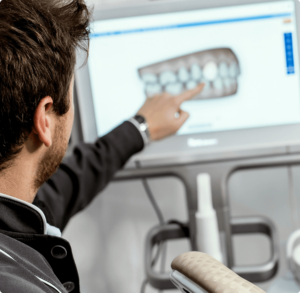
Our team uses digital X-rays to diagnose the problem, walks you through every step before treatment begins, and submits an insurance predetermination so you know your cost upfront.
Below you will find details on when a root canal is needed, what the procedure involves, what to expect afterward, and how insurance applies. Call us at 425-641-5303 to schedule an evaluation.
Call 425-641-5303

Save Your Natural Tooth Instead of Pulling It
A root canal lets you keep a tooth that would otherwise need to be extracted. Your natural tooth maintains the spacing in your jaw, supports normal chewing, and avoids the cost and complexity of replacing a missing tooth with an implant or bridge. In most cases, a tooth treated with a root canal and protected with a crown can last for many years.
Signs You May Need a Root Canal
Common symptoms that indicate a tooth may need root canal treatment include a persistent or severe toothache, prolonged sensitivity to hot or cold that lingers after the source is removed, swelling or tenderness in the gums near the tooth, a visible bump or pimple on the gums (which can indicate an abscess), darkening of the tooth, and pain when biting or chewing. Some teeth need a root canal even without obvious symptoms. Your dentist may detect signs of infection on a routine X-ray before you feel any symptoms.
How We Diagnose the Problem
Diagnosis starts with a visual exam and digital X-rays. On the X-ray, your dentist looks for specific signs, such as a shadow at the tip of the root (called a periapical radiolucency, or PARL) that indicates infection, visible tooth structure loss, or a cavity reaching the pulp. In some cases, your dentist may also perform a cold test by applying a cold stimulus to the tooth. A healthy tooth responds to cold, and the sensation fades quickly. A tooth with a dead or dying nerve may have no response at all, or the sensation may linger for an extended time. Percussion testing, in which the dentist taps the tooth, can also help identify which tooth is the source of the problem.
Root Canal vs. Extraction: Why Saving the Tooth Matters
Extracting a tooth is sometimes necessary, but it creates a gap that can cause surrounding teeth to shift, change your bite, and lead to bone loss in the jaw over time. Replacing an extracted tooth with an implant or bridge adds significant cost and additional procedures. A root canal preserves the natural tooth root, maintains your jaw structure, and is typically less expensive than extraction followed by a replacement. Your dentist will always recommend the most conservative option that gives the tooth the best long-term outcome.
A Painless Root Canal: What the Procedure Actually Feels Like
Root canals have a reputation for being painful, but with modern techniques and local anesthesia, the procedure itself should not hurt. Most patients say the discomfort they felt before treatment, from the infected tooth, was far worse than the root canal itself. At Newport Dental, we make sure you are fully numb and comfortable before any work begins.

Why You Need a Crown After a Root Canal
A root canal removes the nerve and blood supply from inside the tooth. Without that internal support, the tooth becomes brittle over time and is more vulnerable to cracking under normal chewing forces. A crown covers and reinforces the tooth, restoring its full strength and allowing it to function normally for years to come.

What Happens If You Skip the Crown
A tooth that has had a root canal but does not receive a crown is at higher risk of fracturing. If the tooth cracks below the gumline, it may not be repairable and will need to be extracted. Placing a crown after the root canal protects your investment in the treatment and avoids the cost and complexity of replacing the tooth later.
Crown Materials We Offer
Newport Dental places zirconia and gold crowns. Zirconia is the most common choice because it is tooth-colored, extremely strong, and works well on both front and back teeth. Gold crowns are highly durable and may be recommended for back molars that handle heavy biting force. Your dentist will recommend the material that best fits the location of the tooth and your clinical needs. Learn more on our dental crowns page.
Timeline: Root Canal to Final Crown
After the root canal is completed and the tooth is sealed, you will return for a crown preparation appointment. The tooth is shaped, an impression or scan is taken, and a temporary crown is placed. About two weeks later, you return for the permanent crown fitting. From start to finish, the process from root canal to final crown typically spans three to four weeks depending on scheduling and lab turnaround.
Root Canal Specialist Referrals When Your Case Needs One
Newport Dental is a general dentistry practice that performs root canals in-house. Our dentist is experienced with standard root canal cases across front teeth, premolars, and molars. For complex cases, we refer to a trusted endodontist, a dentist who specializes exclusively in root canal treatment.
When We Refer to an Endodontist
We refer patients to an endodontist when the tooth has difficult canal anatomy, such as severely curved or calcified canals, when retreatment of a previously failed root canal is needed, or when the case requires specialized equipment like a surgical microscope. We believe in doing what serves the patient best, and for certain cases that means working with a specialist who handles complex root canals every day.
What to Expect with a Referral
If your case requires a specialist, we coordinate the referral and share your X-rays and clinical notes with the endodontist. After the root canal is completed by the specialist, you return to Newport Dental for the crown placement. This way you get the benefit of specialized treatment for the root canal and continuity of care for the restoration.
Root Canal Cost and Insurance Coverage
The cost of a root canal depends on which tooth is being treated, how many canals it has, and the complexity of the case. Front teeth with a single canal are less expensive than molars with three or four canals. Most dental insurance plans classify root canals as major or endodontic treatment and cover a portion of the cost. Keep in mind that the root canal is one part of the total treatment. The tooth will also need a crown afterward, so it helps to understand the full picture when planning your budget.
In-Network with Most PPO Plans
Newport Dental is in-network with most major PPO dental plans including MetLife, Cigna, Blue Cross Blue Shield, Aetna, Guardian, Premera, Regence, and United Healthcare. We also accept Medicaid including DSHS Apple Health and Molina. Being in-network means your insurance pays a higher share of the cost, which lowers what you pay out of pocket.

What Insurance Typically Covers
Most PPO dental plans cover root canals at 50% to 80% of the allowed fee after your deductible, depending on your plan. The crown that follows is usually classified separately as major restorative and covered at around 50%. Some plans have waiting periods of 6 to 12 months before endodontic or major work is covered. We submit a predetermination of benefits to your insurance before scheduling the procedure so you see the exact dollar amounts your plan will pay for both the root canal and the crown.

Financing for Out-of-Pocket Costs
If your insurance does not cover the full cost or you do not have dental insurance, we offer financing options to help you spread the cost of both the root canal and crown over monthly payments. Ask our front desk about available plans when you schedule your consultation.
Why Bellevue Patients Choose Newport Dental for Root Canals
Root canal treatment performed in-house by an experienced general dentist

Endodontist referrals for complex cases where a specialist serves you better
Digital X-rays for accurate diagnosis and treatment planning
Insurance predetermination submitted before treatment so you know your cost
In-network with MetLife, Cigna, BCBS, Aetna, Guardian, Premera, Regence, UHC, and Medicaid
Located in Factoria, serving Bellevue, Newcastle, Renton, and the Eastside
Crown placement after root canal handled at the same office for continuity of care
Dealing with Tooth Pain? Do Not Wait.
If you have a toothache, swelling, or sensitivity that will not go away, the tooth may need treatment sooner rather than later. Delaying a root canal allows the infection to spread and can turn a treatable tooth into one that needs extraction.
Newport Dental can evaluate the tooth, explain your options, and show you what your insurance covers before any work begins.
Call us at 425-641-5303 or book online.
Call 425-641-5303Book Online
Root Canal FAQs
Does a root canal hurt?
No. The tooth is numbed with local anesthesia before any work begins, so you should not feel pain during the procedure. Most patients say the toothache they had before treatment was far more uncomfortable than the root canal itself. Mild soreness for a few days afterward is normal and manageable with over-the-counter pain medication.
How long does a root canal take?
A root canal can take several hours depending on the tooth and the number of canals involved. Molars with multiple or curved canals may require two separate appointments. Your dentist will give you a time estimate based on your specific case after reviewing your X-rays.
How much does a root canal cost?
The cost depends on which tooth is treated and how many canals it has. Front teeth with a single canal cost less than molars with three or four canals. Most dental insurance covers root canals at 50% to 80% after your deductible. The tooth will also need a crown afterward, which is typically covered separately at around 50%. Newport Dental submits a predetermination so you see the total cost for both the root canal and the crown before treatment begins.
Do I need a crown after a root canal?
Yes. A root canal removes the nerve and blood supply from the tooth, which makes it brittle over time. A crown covers and reinforces the tooth so it can handle normal chewing without cracking. Skipping the crown puts the tooth at risk of fracturing, which could lead to extraction.
What happens if I delay getting a root canal?
An infected tooth will not heal on its own. Delaying treatment allows the infection to spread to the surrounding bone and tissue, which can lead to an abscess, increased pain, and eventually the loss of the tooth. The sooner the infection is treated, the better the outcome for saving the tooth.
How do I know if I need a root canal or just a filling?
A filling repairs a tooth where decay has not reached the pulp (the nerve and blood supply inside the tooth). If the decay or damage extends into the pulp, or if the pulp becomes infected, a root canal is needed to remove the damaged tissue and save the tooth. Your dentist uses X-rays and clinical tests to determine which treatment is appropriate.
Will Newport Dental refer me to a specialist if needed?
Yes. Newport Dental performs root canals in-house, but for complex cases involving difficult canal anatomy, severely curved roots, or retreatment of a previous root canal, we refer to a trusted endodontist. We coordinate the referral and you return to Newport Dental for the crown placement afterward.
Can I eat normally after a root canal?
You can eat once the numbness wears off, but stick to soft foods for the first day or two. Avoid chewing on the treated side until the permanent crown is placed, as the tooth is more fragile during this period. Once the crown is seated, you can return to your normal diet.